Essential Tips for a Healthy Pet Nutrition
When it comes to our furry friends, nutrition plays a crucial role in their overall health and well-being. Just like humans, pets require a balanced diet to thrive. However, with so many options available, it can be overwhelming to determine what is best for your pet. This guide will provide you with essential tips to ensure your pet receives the nutrition they need to lead a happy and healthy life.

Understanding Your Pet's Nutritional Needs
Every pet is unique, and their nutritional needs can vary based on several factors, including:
Species: Dogs and cats have different dietary requirements. For instance, cats are obligate carnivores, meaning they require a diet high in animal protein.
Age: Puppies and kittens need more calories and nutrients for growth, while senior pets may require diets that support joint health and digestion.
Activity Level: Active pets may need more calories than those that are less active.
Key Nutrients for Pets
To provide a balanced diet, it's essential to understand the key nutrients your pet needs:
Proteins: Vital for growth, maintenance, and repair of tissues. Look for high-quality protein sources like chicken, beef, or fish.
Fats: Provide energy and support cell structure. Omega-3 and Omega-6 fatty acids are particularly beneficial for skin and coat health.
Carbohydrates: While not essential, they can provide a good source of energy. Whole grains and vegetables are excellent sources.
Vitamins and Minerals: Essential for various bodily functions. Ensure your pet's food contains a balanced mix of vitamins and minerals.
Choosing the Right Pet Food
With countless pet food brands and types available, how do you choose the right one? Here are some tips:
Read the Label
Always check the ingredient list. The first few ingredients should be high-quality protein sources. Avoid foods with fillers like corn and soy, as they provide little nutritional value.
Consider Life Stage Formulas
Choose food that is appropriate for your pet's life stage. Puppy and kitten formulas are designed to support growth, while adult and senior formulas cater to the specific needs of older pets.
Consult Your Veterinarian
Your veterinarian can provide personalized recommendations based on your pet's health, age, and lifestyle. They can also help identify any food allergies or sensitivities.
Homemade Pet Food: Is It Right for Your Pet?
Some pet owners opt to prepare homemade meals for their pets. While this can be a healthy option, it requires careful planning to ensure a balanced diet. Here are some considerations:
Benefits of Homemade Pet Food
Control Over Ingredients: You know exactly what goes into your pet's food.
Customization: You can tailor meals to your pet's specific needs and preferences.
Risks of Homemade Pet Food
Nutritional Imbalance: It can be challenging to provide all the necessary nutrients without proper knowledge.
Time-Consuming: Preparing homemade meals can be more time-consuming than feeding commercial pet food.
If you choose to make homemade pet food, consult with a veterinary nutritionist to ensure it meets your pet's dietary needs.
Portion Control and Feeding Guidelines
Overfeeding can lead to obesity, which is a significant health risk for pets. Here are some tips for managing portion sizes:
Follow Feeding Guidelines
Most pet food packages provide feeding guidelines based on your pet's weight. Use these as a starting point and adjust based on your pet's activity level and body condition.
Use Measuring Cups
To avoid overfeeding, use measuring cups to portion out your pet's food. This helps ensure consistency and prevents guesswork.
Monitor Your Pet's Weight
Regularly check your pet's weight and body condition. If you notice significant weight gain or loss, consult your veterinarian for guidance.
Treats and Snacks: Moderation is Key
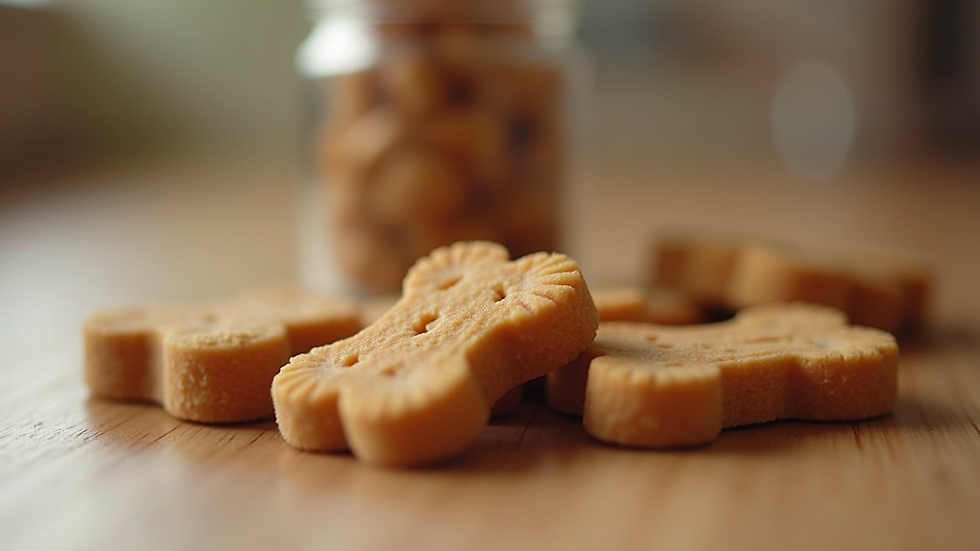
Treats can be a great way to reward your pet, but they should be given in moderation. Here are some tips for healthy snacking:
Choose Healthy Treats
Opt for treats that are low in calories and made from natural ingredients. Fruits and vegetables like carrots, apples, and green beans can make excellent snacks.
Limit Treats to 10% of Daily Calories
Treats should not make up more than 10% of your pet's daily caloric intake. This helps prevent obesity and ensures your pet is still receiving a balanced diet.
Hydration: The Importance of Fresh Water
Water is essential for your pet's health. Ensure your pet has access to fresh, clean water at all times. Here are some tips to encourage hydration:
Change Water Daily: Refresh your pet's water bowl daily to keep it clean and appealing.
Use a Water Fountain: Some pets prefer running water. A pet water fountain can encourage them to drink more.
Add Water to Food: Mixing water into dry food can help increase your pet's fluid intake.
Special Dietary Needs
Some pets may have specific dietary needs due to health conditions. Here are a few common issues:
Allergies and Sensitivities
If your pet shows signs of food allergies, such as itching or gastrointestinal upset, consult your veterinarian. They may recommend a limited-ingredient diet or hypoallergenic food.
Weight Management
For overweight pets, a weight management diet may be necessary. These foods are typically lower in calories but still provide essential nutrients.
Medical Conditions
Pets with certain medical conditions, such as diabetes or kidney disease, may require specialized diets. Always follow your veterinarian's recommendations for managing these conditions.
Conclusion
Providing your pet with a balanced diet is essential for their health and happiness. By understanding their nutritional needs, choosing the right food, and managing portion sizes, you can help your furry friend thrive. Remember to consult your veterinarian for personalized advice and recommendations. With the right nutrition, your pet can enjoy a long, healthy life by your side.
Take the next step in your pet's nutrition journey today by evaluating their current diet and making any necessary adjustments. Your pet will thank you for it!

Comments